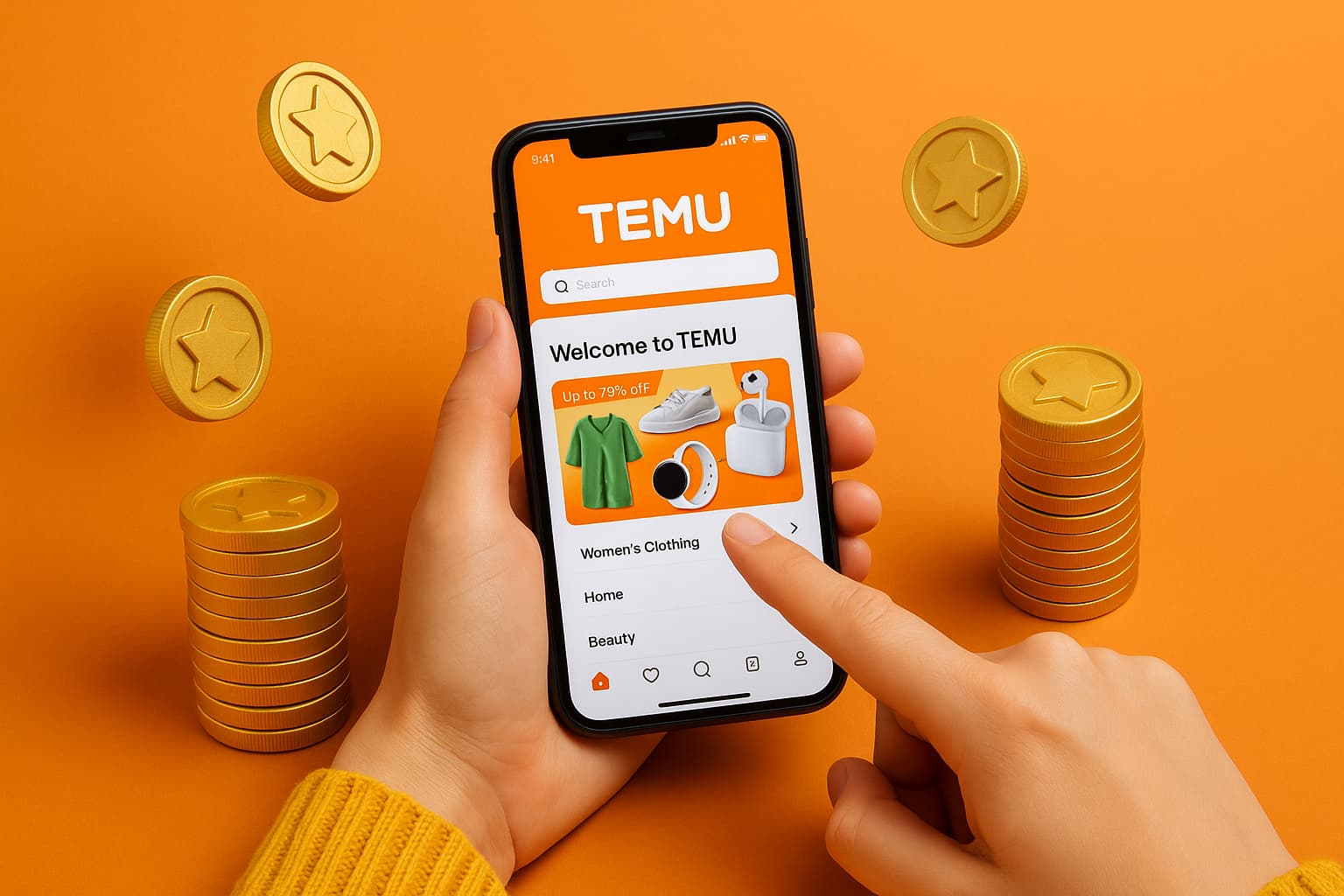
For Australian sellers exploring new e‑commerce channels, selling on Temu presents a unique opportunity. The platform has rapidly gained popularity worldwide due to its competitive pricing, broad product range, and direct connection between sellers and buyers. Whether you are a small business owner or an established retailer, understanding how to sell on Temu can open doors to both local and international markets. This guide will walk you through why Temu is attractive for sellers, the setup process, listing optimisation, order management, promotional strategies, and potential challenges.
Why choose selling on Temu?
Selling on Temu offers several advantages for Australian sellers. The platform has expanded rapidly, connecting millions of buyers to diverse products across categories such as fashion, electronics, home goods, and toys. This extensive reach increases the potential for sales growth.
Another advantage is Temu’s business model, which reduces intermediaries. This enables sellers to offer competitive prices while maintaining margins and ensures buyers receive value, which can lead to repeat purchases.
Flexibility in product selection is also a key benefit. You can experiment with multiple categories or focus on a niche market to build a loyal customer base. The combination of global reach, direct‑access supply chain benefits, and diverse product options makes selling on Temu a strategic move for Australian businesses.

Why choose selling on Temu?
Setting up your seller account
Starting selling on Temu begins with registering your seller account. Steps include:
-
Providing a business email, store name, and banking information
-
Submitting verification documents such as business registration and tax details
-
Accepting Temu’s seller terms and choosing product categories
For Australian sellers, it is important to ensure compliance with local regulations including GST and any export requirements. Once approved, you can begin creating product listings and managing your store.
Creating and optimising listings
Effective listings are crucial for success when selling on Temu.
High-quality product images
Use clear images from multiple angles, preferably on a neutral background. Highlight features and show the product in use when possible.
Detailed and clear descriptions
Write descriptions that explain size, material, colour, and benefits. Make your listings informative to reduce buyer hesitation and improve conversion.
Keyword optimisation
Incorporate relevant keywords naturally in titles and descriptions. While “selling on Temu” is the focus for this guide, your product titles should reflect what buyers search for, such as “affordable home décor Australia Temu” or “fast shipping fashion Temu.”
Competitive pricing
Temu attracts price-sensitive customers. Research similar products to set competitive prices while maintaining profit margins. Consider introductory offers or bundle deals to attract initial sales.
Appropriate categories and tags
Correct categorisation ensures your products appear in relevant searches and filters. Apply all applicable tags to maximise visibility and reach potential buyers effectively.
Creating and optimising listings
Managing orders and fulfilment
Once you start selling on Temu, efficient order management is essential.
Order processing
Ensure timely processing of orders and maintain accurate inventory levels. Quick responses to buyer inquiries enhance customer satisfaction.
Shipping and logistics
Decide whether to ship from Australia or leverage international fulfilment options. Timely delivery, proper packaging, and tracking information are crucial for positive buyer experiences.
Returns and customer service
Implement clear return policies and provide responsive customer service. Satisfied customers leave positive reviews, which improve your store’s reputation and sales potential.
Marketing and scaling your store
After establishing your store, focus on growth strategies for selling on Temu.
Leveraging promotions
Participate in Temu’s promotional events to increase visibility. Discounts and special deals can attract new buyers and encourage repeat purchases.
External marketing
Promote your store via social media, newsletters, or influencer collaborations. Directing traffic to your Temu listings can boost sales and ranking on the platform.
Using data for optimisation
Track which products perform well, monitor conversion rates, and refine listings accordingly. Adjust pricing, images, and descriptions to maximise sales.
Expanding product range
Once initial products gain traction, diversify your offerings. Temu supports a wide range of categories, enabling sellers to explore complementary products and niche markets.

Marketing and scaling your store
Potential challenges
While selling on Temu offers opportunity, sellers should be aware of certain risks:
Competitive pricing
High competition can lead to pressure on profit margins. Competing on quality, service, and unique offerings, rather than only price, is essential.
Product quality and trust
Maintaining high-quality standards is crucial. Misrepresentation or substandard products can harm your reputation and reduce repeat business.
Compliance and logistics
For Australian sellers shipping internationally, consider customs, import regulations, GST, and shipping timelines. Delays or issues can negatively affect customer satisfaction.
Platform policy changes
Temu may adjust fees, seller terms, or algorithms. Stay informed and adapt strategies to maintain success in a changing environment.
Selling on Temu from Australia can be highly rewarding when approached strategically. From account setup to listing optimisation, efficient order management, marketing, and risk management, each step contributes to building a successful store. By consistently providing quality products, excellent service, and competitive pricing, Australian sellers can leverage Temu to reach a broad audience, expand their e-commerce presence, and achieve sustainable growth.